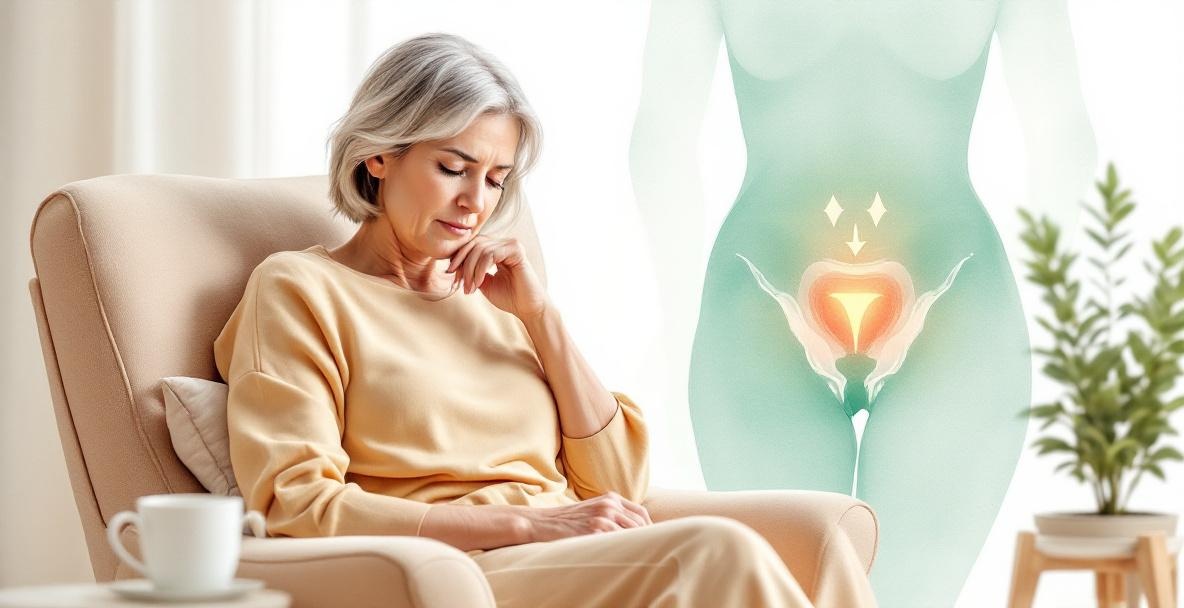
Why Tight Pelvic Floor Muscles Cause Pain (And Kegels Won't Help)

When most people think about pelvic floor problems, they immediately think of weakness—and the solution they've heard about everywhere: Kegel exercises. But what if your pelvic floor problem isn't weakness at all? What if your muscles are actually too tight?
At Burlington Pelvic Physiotherapy, we frequently see patients who have been diligently doing Kegels for months (or even years), only to find their symptoms getting worse instead of better. The reason? They're dealing with hypertonic pelvic floor dysfunction—a condition where the pelvic floor muscles remain in a state of constant tension or spasm.
Research shows that high-tone pelvic floor dysfunction affects approximately 80% of women with chronic pelvic pain. Yet there's surprisingly little public awareness about this condition, and many people continue strengthening muscles that desperately need to relax instead.
What Is Hypertonic Pelvic Floor Dysfunction?
Hypertonic pelvic floor dysfunction is a neuromuscular disorder characterized by non-relaxing pelvic floor muscles. Instead of properly contracting and releasing as needed, these muscles remain in a state of increased tension—essentially, they're stuck in spasm or constant contraction.
Think of it like clenching your fist all day long. Eventually, your hand would become painful, fatigued, and weak—not from lack of strength, but from never getting to rest. The same principle applies to your pelvic floor muscles.
The Vicious Cycle of Muscle Tension
When pelvic floor muscles stay contracted, several problems develop:
Reduced blood flow: Constant muscle tension locally decreases blood circulation and the exchange of oxygen and metabolites. In musculoskeletal pain conditions, deep tissue pain is directly related to this reduced blood flow, which compromises metabolic demand under muscle work.
Trigger point formation: The decreased circulation leads to the formation of myofascial trigger points—hypersensitive areas within the muscle that can refer pain to other regions of the pelvis, abdomen, or lower back.
Pain sensitization: Visceral pain syndromes may be associated with non-relaxing pelvic floor muscles through central and peripheral sensitization, lowering of nociceptive thresholds. This results in neuropathic up-regulation, hypersensitivity, and allodynia (pain from normally non-painful stimuli).
This creates a feedback loop: pain causes muscle guarding, which causes more pain, which causes more guarding.
Common Symptoms of a Tight Pelvic Floor
Many people with hypertonic pelvic floor dysfunction experience a constellation of symptoms that may seem unrelated. Evidence suggests these symptoms may include:
- Chronic pelvic pain (constant or with certain activities)
- Pain with sitting, especially on hard surfaces
- Painful intercourse or sexual dysfunction
- Urgency or frequency of urination
- Difficulty starting urination or incomplete emptying
- Constipation or straining with bowel movements
- Pain with bowel movements
- Tailbone pain
- Lower back or hip pain
Research has found that patients who did not initially endorse pain were still found to have moderate to severe pain with palpation of bilateral pelvic floor muscles. The severity of pain elicited was significantly correlated with the degree of bother from common pelvic floor symptoms.
Patients with overactive pelvic floor muscles have a significantly higher incidence of pelvic pain compared to those without muscle overactivity (81.6% vs. 18.4%).
If you're experiencing painful intercourse, our detailed guide on painful intercourse and pelvic physiotherapy explores how hypertonic muscles contribute to this issue.
What Causes Pelvic Floor Muscles to Become Tight?
High-tone pelvic floor dysfunction can be idiopathic (no known cause) or incited by several factors:
Poor toileting habits: The most commonly implicated mechanism is dysfunctional voiding or defecation—either never learned correctly or acquired in adulthood through voluntary holding of urine or stool.
Visceral dysfunction: Conditions like endometriosis or interstitial cystitis can trigger muscle guarding. If you're dealing with endometriosis, our post on endometriosis and pelvic physiotherapy explains this connection in detail.
Musculoskeletal injuries: Problems like sacroiliac joint dysfunction or hip osteoarthritis can lead to compensatory muscle tension. Learn more about this in our article on the hip-pelvis connection.
Protective guarding: Conditions causing painful intercourse may trigger involuntary muscle contraction as a protective response.
Trauma or surgery: Injury to the pelvic floor from surgery, trauma, mesh placement, permanent sutures, or obstetric injury have been reported to cause muscular pain and hypertonicity.
Stress and anxiety: Hypertonic pelvic floor may be related to chronic stress and anxiety, which can manifest as physical tension in the pelvic region.
Why Kegels Make Things Worse
Here's the crucial point: if you have a hypertonic pelvic floor, Kegel exercises can actually worsen your symptoms.
The main goal when rehabilitating a hypertonic pelvic floor is to relax the resting tone of the muscles to restore function. Taking an already tight muscle group and attempting to strengthen it does not address the underlying issue of excess tension—in fact, it can contribute to the muscles becoming more tight.
Performing too many Kegels or performing them incorrectly may increase muscle tension and pain, or worsen existing symptoms. Tensing shortens muscles and leads to decreased strength over time. Muscles don't like to be tight, short, or overstretched—there needs to be balance.
Kegels are often considered the go-to exercise for the pelvic floor, but they can actually overtighten muscles. For those with hypertonic pelvic floor, Kegel exercises often make existing symptoms worse and can create new symptoms.
For more on why the standard advice might be wrong for you, read our post on why "just do Kegels" might be the worst advice you've heard.
Evidence-Based Treatment: What Actually Helps
There is universal agreement among experts that pelvic floor physical therapy (PFPT) should be the first-line treatment for high-tone pelvic floor dysfunction.
Pelvic Floor Physical Therapy
At Burlington Pelvic Physiotherapy, our approach to treating hypertonic pelvic floor focuses on:
Manual therapy techniques: These may include trigger point massage, myofascial release, strain-counterstrain, and joint mobilization. Manual therapy uses gentle pressure and massage techniques (external or internal) to help relax muscles and regain control.
In a systematic review of manual physical therapy techniques for musculoskeletal pelvic pain, evidence suggests that 59% to 80% of patients experienced marked or complete relief.
Relaxation training: Learning to consciously release pelvic floor tension is essential. This often includes biofeedback training so you can see when muscles are contracting versus relaxing.
Breathing techniques: Diaphragmatic breathing helps calm the nervous system and physically relax the pelvic floor. Deep belly breathing is a common technique used in pelvic floor therapy, encouraging full, deep breaths that help activate the diaphragm and release tension.
Core stabilization: Exercises to strengthen and stabilize core muscles (not the pelvic floor specifically) are usually included to improve overall posture and reduce compensatory tension.
Lifestyle modifications: Addressing toileting habits, stress management, and movement patterns that contribute to muscle tension.
When Additional Treatment Is Needed
If symptoms don't improve after pelvic floor physical therapy alone, second-line options may include:
- Trigger or tender point injections
- Vaginal muscle relaxants (such as diazepam, baclofen, cyclobenzaprine, or tizanidine)
- Cognitive behavioral therapy, which has been associated with clinically meaningful improvements in pain and psychosexual function in patients with chronic pelvic pain conditions
All of these interventions can be used in conjunction with PFPT.
Third-line treatments may include onabotulinumtoxin A injections, with symptom assessment after 2-4 weeks. There is universal agreement that sacral neuromodulation should be considered as a fourth-line intervention.
Self-Care Strategies You Can Start Today
While professional treatment is essential for addressing hypertonic pelvic floor, many patients find the following strategies helpful:
Deep breathing exercises: Practice diaphragmatic breathing several times daily. This helps calm your nervous system and physically release pelvic floor tension.
Warm baths: Heat can help relax tight muscles and reduce pain.
Stress management: Since hypertonic pelvic floor may be related to stress and anxiety, techniques like meditation, yoga, or acupuncture may provide relief.
Mindful relaxation: Instead of focusing on strengthening, focus on releasing. Practice consciously relaxing your pelvic floor muscles throughout the day.
For patients who cannot immediately access in-person PFPT, experts recommend at-home guided pelvic floor relaxation, self-massage with vaginal wands (under professional guidance), and virtual PFPT visits. Learn more about virtual pelvic physiotherapy and how it can be effective for this condition.
Getting the Right Diagnosis
One of the biggest challenges with hypertonic pelvic floor dysfunction is getting the correct diagnosis. Many healthcare providers aren't trained to recognize the signs of muscle hypertonicity, and patients may be told their symptoms are "normal" or "just stress."
A trained pelvic health physiotherapist can assess your pelvic floor muscles both externally and internally to determine whether they're overly tight, weak, or—as is often the case—tight and weak. Yes, muscles can be both! Tight muscles that never rest become fatigued and functionally weak.
At Burlington Pelvic Physiotherapy, we conduct comprehensive assessments to understand not just your pelvic floor function, but how your entire body—including breathing patterns, posture, and movement habits—contributes to your symptoms.
Your Path Forward
If you've been struggling with pelvic pain, painful intercourse, urinary urgency, or any of the other symptoms mentioned in this post, and traditional advice hasn't helped (or has made things worse), you may be dealing with hypertonic pelvic floor dysfunction.
The good news? This condition responds well to appropriate treatment. With evidence-based pelvic floor physical therapy, many patients experience significant improvement in their symptoms and quality of life.
You don't have to accept pelvic pain as your new normal, and you don't have to keep doing exercises that make you feel worse.
This content is for educational purposes and does not replace professional medical advice. If you're experiencing pelvic pain or dysfunction, please consult with a qualified healthcare provider for proper assessment and treatment.
Ready to Find Relief?
At Burlington Pelvic Physiotherapy, we specialize in treating hypertonic pelvic floor dysfunction with evidence-based manual therapy, relaxation training, and personalized treatment plans. Located at 960 Cumberland Ave in Burlington, Ontario, we're here to help you understand what's really going on with your pelvic floor—and develop a treatment plan that actually addresses the problem.
Stop doing exercises that make you worse. Start getting the targeted treatment you need.
Book your assessment today or call us at 905-635-5711 to learn more about how we can help.
Reviewed by: Juhi Israni, Pelvic Health Physiotherapist